
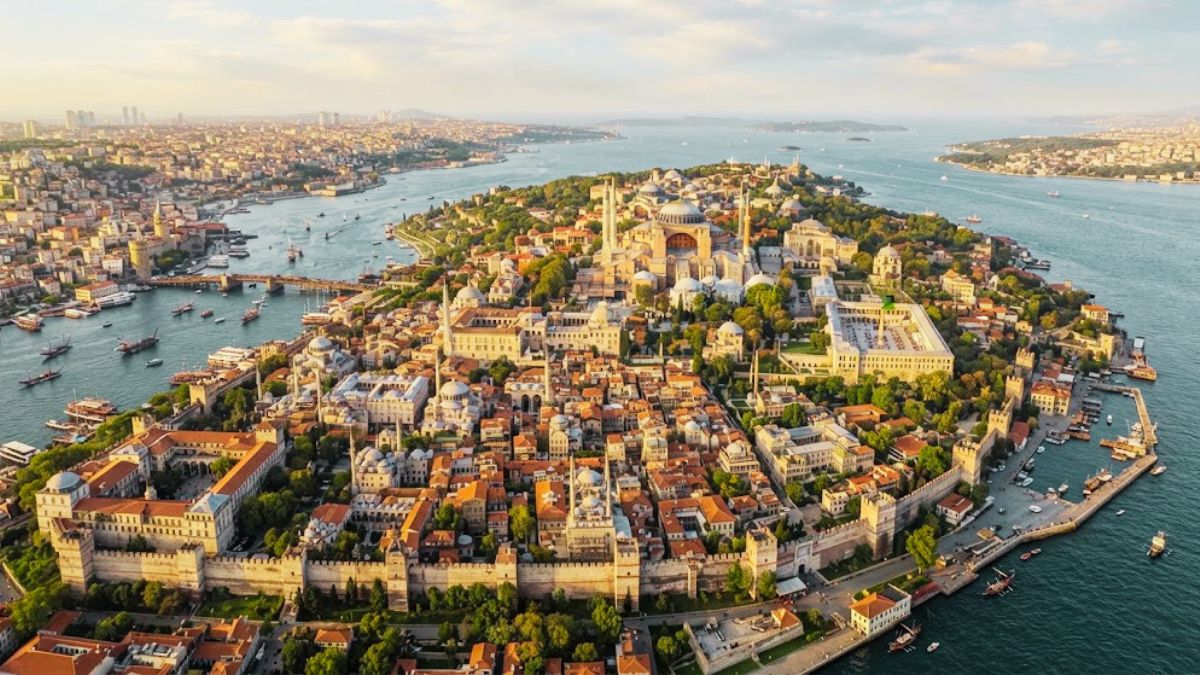
Istanbul anchors two continents, serving as history’s ultimate geopolitical hinge. Romans, Byzantines, and Ottomans built empires here, stacking monumental architecture upon classical foundations. This strategic peninsula controlled global commerce, blending diverse cultures into a single, magnificent metropolis where ancient stones continue shaping modern daily life.
This vibrant travel chapter directly links back to the main Anatolian narrative by bridging ancient imperial history with modern exploration. Travelers step directly onto cobblestones walked by Roman emperors, Byzantine citizens, and Ottoman sultans, transforming past eras into an active, breathing journey.
Explore Anatolia through ten remarkable destinations bridging world history. Wander Göbeklitepe’s prehistoric stones, trace Hittite treaties at Hattusha, and walk Ephesus’s marble streets. Climb Pergamon’s hilltop acropolis, witness Mount Nemrut’s colossal statues, and explore Cappadocia’s subterranean cities. Uncover theological roots at İznik, experience Konya’s Sufi mysticism, and scale Sumela’s cliffside monastery.
The Three-Eared City: Unlayering the Imperial Continuity of Istanbul
Istanbul stands uniquely astride two continents, acting as history’s greatest geopolitical hinge. For millennia, this strategic waterway linked the Black Sea to the Mediterranean, drawing ambitious empires to its shores. Successive dynasties recognized that holding this peninsula meant controlling global commerce and cultural exchange. Romans, Byzantines, and Ottomans built their capitals here, stacking monuments upon earlier foundations. Consequently, the urban fabric reflects a rare continuity where ancient stones still anchor modern daily life.

Strategic Geography and Foundation
Emperor Constantine chose this peninsula in 330 AD to anchor a new Christian Rome. Natural harbors like the Golden Horn provided unmatched naval defense and maritime wealth. Thick oak forests and fertile hinterlands sustained massive urban populations for centuries. Trade caravans poured riches from Silk Road routes directly into imperial treasuries. Therefore, geography predestined this metropolis to become a global capital.
Byzantine Engineering and Orthodoxy
Justinians transformed the skyline by erecting the miraculous Hagia Sophia dome. Master builders utilized innovative pendentives to suspend a massive roof over vast open worship spaces. Meanwhile, the formidable Theodosian Land Walls repelled countless barbarian invasions and Ottoman sieges. Christianity flourished within these sacred boundaries, shaping medieval European theology and law. Monasteries and palaces transformed the landscape into a glittering center of art.
Ottoman Transformation and Splendor
Sultans captured the city in 1453, rapidly converting churches into imperial mosques while respecting existing urban layouts. Suleiman the Magnificent commissioned master architect Sinan to redesign the silhouette with soaring minarets. Topkapı Palace centralized administrative power over three continents from lush garden courtyards. Vibrant bazaars like the Grand Bazaar replaced Roman forums as bustling commercial hubs. Thus, Islamic influences blended seamlessly with surviving classical traditions.
Majestic Hagia Sophia Basilica
This architectural masterpiece showcases stunning gold mosaics and ancient marble pillars. Visitors gaze upward in awe beneath the breathtaking central dome. Centuries of religious devotion left visible layers of Christian and Islamic artistry. Travelers often spend hours decoding the intricate calligraphy and surviving Byzantine iconography.
Topkapı Palace Complex
Imperial rulers governed vast territories from these sprawling seaside courtyards. Elaborate chambers housed sacred relics, priceless jewels, and administrative council rooms. Visitors wander through lush gardens overlooking the sparkling Bosphorus strait. Museum exhibits reveal intimate details of royal court life and political intrigue.
Theodosian Land Walls
Massive stone fortifications still trace the western perimeter of the old city. Emperor Theodosius II constructed these triple-lined barriers to protect against nomadic tribes. Walking alongside these weathered stones reveals centuries of military architecture and forgotten battles. Local preservation efforts now protect these ancient ruins from urban encroachment.
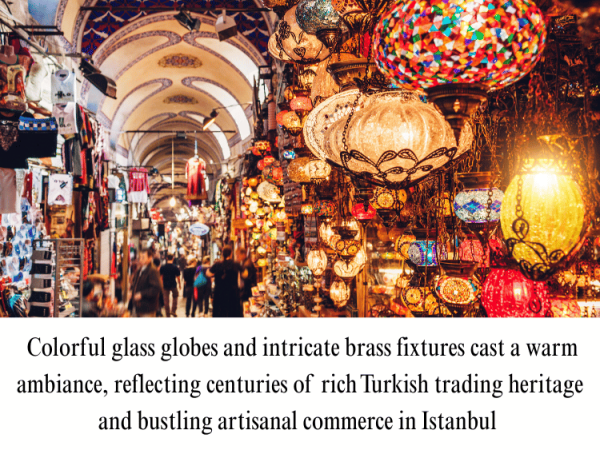
Historic Grand Bazaar Labyrinth
Covered alleys shelter thousands of traditional shops selling carpets, spices, and lanterns. Ottoman merchants established this vibrant market hub during the fifteenth century. Skilled artisans demonstrate centuries-old crafting techniques inside vaulted stone corridors. Bargaining remains a lively tradition between friendly shopkeepers and curious global travelers.
Basilica Cistern Subterranean Wonder
Hidden beneath dusty streets lies a vast underground water reservoir built by Justinian. Hundreds of marble columns support the damp vaulted ceiling in eerie silence. Carved Medusa pillar bases puzzle archaeologists and fascinate daily sightseers alike. Cool dripping water echoes softly through the atmospheric subterranean chamber.
Vibrant Suleymaniye Mosque Grounds
Master architect Sinan designed this hilltop complex to honor Sultan Suleiman. Elegant domes and slender minarets dominate the Golden Horn skyline view. Peaceful courtyards offer quiet reflection away from bustling city traffic below. Peaceful royal tombs rest serenely within the shaded outer garden walls.
Seamless Digital Travel Coordination
Planning an excursion across regional waterways requires minimal effort today thanks to advanced reservation portals. Services like Klook, KKday, Kiwi.com, and WeGoTrip provide comprehensive packages that bundle private hotel transfers, high-speed boat tickets, catered lunches, and snorkel rentals. Securing tickets online allows explorers to tailor daily schedules while receiving instant digital vouchers.
This concise concluding section effectively summarizes digital booking solutions. However, to fully align with your comprehensive Turkey travel series, you can easily adapt this framework to highlight local Turkish digital ticketing apps, museum passes, and guided excursion platforms for Istanbul or regional sites.
Unraveling the Truth in DOGMA
To explore how raw politics and human ambition shaped the history behind the legends, explore my historical fiction novel, DOGMA. The story follows two rival scientists determined to prove each other wrong. Through advanced time travel, they journey directly into the ancient world. However, witnessing raw historical events firsthand shatters their assumptions, exposing centuries of manufactured dogma.
The Destiny of the Nazarene Movement
Meanwhile, the true legacy of the Nazarene movement did not vanish with the fall of Jerusalem. Instead, its revolutionary monotheistic vision quietly shifted into the desert sands, awaiting its final historical revival. To trace where these scattered believers fled next, read article, The Masada Mystery.

DOGMA by Don Peter — Click the cover to get your copy
The Journey Continues
The silent stones of the ancient world continue to speak across the millennia. They urge us to study their structural triumphs and failures before our own modern empires face a similar decline.
Want to stay connected with the research, stories, and ongoing debate?
 Join the Discussion on Substack
Since this pillar post doesn’t feature a comment box, Substack is the best place to share your thoughts, ask questions, and join the conversation directly with me.
 Follow the Creative Process on Medium
Read my regular historical insights, character sketches, and reflections on the creative writing journey.