

Discover the engineering secrets of Rome’s ancient water supply with this complete travel guide to the Park of the Aqueducts. Learn the ultimate day-trip itinerary through the towering arches of the Aqua Claudia, track the historic Via Latina, and enjoy tips on using the metro route from the city center.
Before you explore these monumental countryside arches, discover how their magnificent structural design fits into a much larger, cyclical history in our primary pillar post, The Roman Empire: The Rise, Fall, and Eternal Renaissance. Uncover the hidden historical angles textbooks completely miss, from cinematic myths to the timeless spiritual prophecies that predicted the empire’s ultimate survival.
The Monumental Arteries: Escaping to the Park of the Aqueducts
Leaving the dense crowds of the historic center behind reveals a breathtaking sanctuary of engineering marvels on the southeastern edge of the capital. The Park of the Aqueducts, nestled safely inside the expansive Appian Way Regional Park, preserves the colossal stone lifelines that once fueled the entire Roman empire.
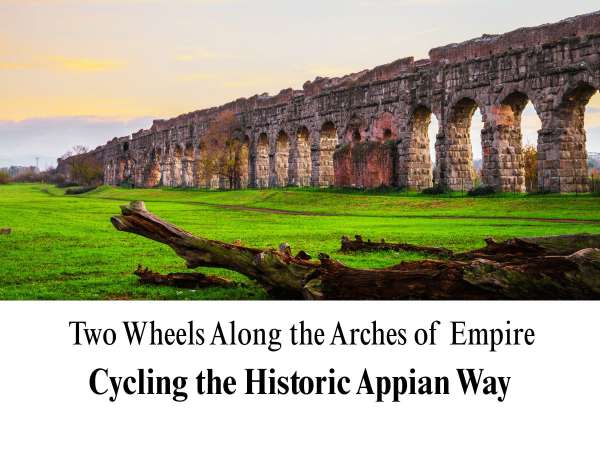
Here, towering stone arches march across open green meadows, framed elegantly by majestic umbrella pines and the distant silhouette of the Alban Hills. This spectacular open-air landscape feels completely untouched by time, offering a tranquil space where history and nature fuse seamlessly.
Planning your journey to this hidden architectural paradise is incredibly straightforward and efficient. Travelers can easily board Metro Line A from central hubs like Termini Station and ride it directly to the Giulio Agricola stop. After exiting the station, a brief ten-minute walk through a pleasant residential neighborhood brings you straight to the park gates.
Because this massive archaeological site requires no entrance fee and stays open twenty-four hours a day, it serves as the ultimate budget-friendly morning escape from metropolitan chaos.
Engineering the Horizon: The Giants of Stone and Gravity
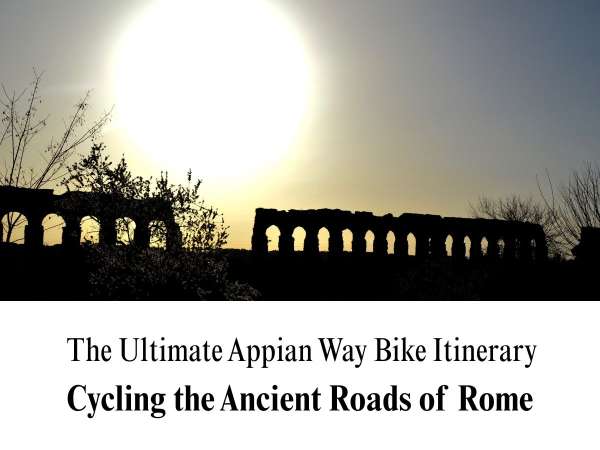
Your walking itinerary should center around the awe-inspiring remains of the Aqua Claudia and the Anio Novus. Emperor Caligula initiated this massive building project in the first century, and Emperor Claudius successfully completed the monumental task. The overlapping stone channels climb to a staggering height of nearly twenty-eight meters, carving a powerful silhouette across the Italian sky.
The Romans engineered these massive structures with a precise, microscopic downward slope, allowing gravity alone to transport millions of gallons of fresh mountain water into the city every single day.
As you wander along the unpaved dirt pathways, take a moment to stand directly beneath the massive travertine arches to appreciate the raw scale of the masonry. Just parallel to the ancient ruins runs the Aqua Felice, a later Renaissance aqueduct that Pope Sixtus V commissioned to restore the city’s water supply.
Examining these parallel systems side-by-side reveals a fascinating timeline of architectural adaptation, demonstrating how later generations continually built upon or repurposed the legendary foundations of the ancient Roman architects.
The Convergence of Paths: Tracking the Ancient Via Latina
After marveling at the towering arches, guide your footsteps toward the center of the park to uncover a hidden remnant of the original Via Latina. This historic basalt-stone road predates even the aqueducts, serving as a vital military and commercial highway that connected Rome to the southern territories.
Walking along these ancient, uneven stones allows you to visualize the incredible convergence of infrastructure that occurred here, with vital transport routes and life-giving water lines running side-by-side through the countryside.
Deeper within the meadows, look for the weathered brick walls of the Villa delle Vignacce, one of the largest ancient suburban estates discovered in the region. Exploring these quiet ruins offers a rare, intimate window into the luxurious countryside retreats where wealthy Roman elites sought refuge from political turmoil.
Crafting the Countryside Loop: Bikes, Picnics, and the Appian Way
Conclude your historic excursion by maximizing the recreational freedom that this unique park offers. Because there are no commercial cafes or restaurants scattered inside the archaeological reserve, savvy travelers always pack a light picnic of local cheeses, fresh fruit, and crusty bread to enjoy beneath the shade of the ancient pines.
If you want to expand your exploration radius, look into renting a quality hybrid bicycle from specialized local shops located right outside the main park perimeters.
A bicycle allows you to easily connect your aqueduct tour with the historic cobblestones of the nearby Via Appia Antica. This cycling route guides you effortlessly past ancient catacombs, monumental family tombs, and rustic pastures where sheep still graze peacefully.
It forms a highly efficient, unforgettable outdoor loop that transforms a simple day trip into an expansive, profound journey through the forgotten engineering backbones of the grand Roman world.
Beyond the Core: Plan Your Roman Exploration
To seamlessly expand your itinerary beyond these central monuments, you should map out the spectacular destinations that form the perfect framework for a comprehensive regional tour. You can delve directly into the breathtaking grandeur of ancient maritime architecture by mapping out a trip through our comprehensive guide on Ostia Antica: Rome’s Forgotten Harbor City.
If you want a peaceful escape into lush gardens and ancient estates, don’t miss our day trip itinerary covering The Historic Palaces and Terraces of Palatine Hill.
Finally, you can trace the monumental evolution of imperial design and engineering by diving into our standalone architecture guides for Navigating the Colosseum and The Secrets of the Pantheon.
Join the Journey Behind the Pages
The weathered stones of the ancient capital continue to speak across the millennia, actively urging us to study their immense triumphs and failures before our own modern structures face a similar decline.
If you want to explore the deep, unvarnished historical research that breathes life into these narrative worlds, let’s stay connected across the web. You can enjoy shorter, lighter essays, creative writing tips, and quick reflections on my regular updates by following me on MEDIUM.
Because this specific blog layout does not feature a public comment box, the absolute best way to share your personal thoughts, ask burning historical questions, or receive exclusive book updates directly to your inbox is to subscribe to my SUBSTACK.