
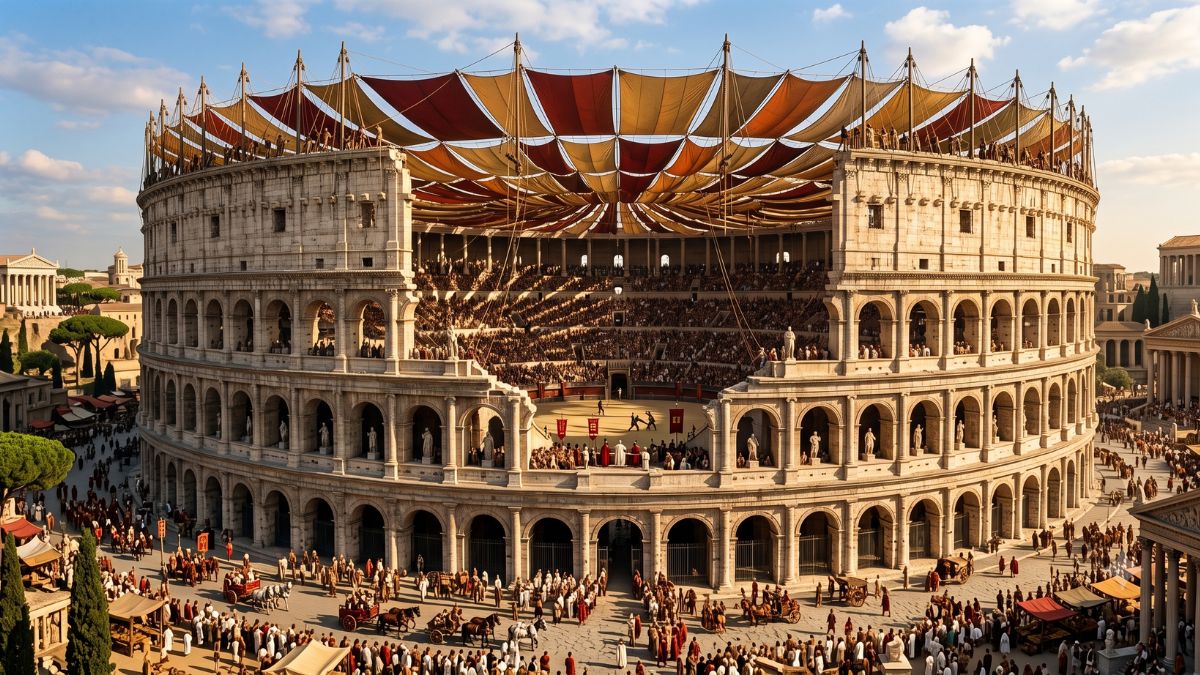
Step into the arena and master your visit to the world’s most iconic amphitheater. This practical guide covers essential itineraries, subterranean secrets, and expert ticketing tips. Maximize your Roman holiday and experience the Colosseum exactly like an emperor.
Before you lace up your walking shoes, explore the grand narrative behind these monumental stones in our definitive pillar post, The Roman Empire: The Rise, Fall, and Eternal Renaissance. Discover how this colossal arena fit into the larger, cyclical drama of Roman history, from the bloodline of the wolf to the profound spiritual prophecies that predicted its eternal renewal.
Entering the Arena: Stepping into the Shadows of History
Walking toward the monumental travertine arches of the Flavian Amphitheater instantly shifts your perspective on time. Most travelers feel a sudden surge of adrenaline as they approach this towering icon of imperial power. The structure looms large over modern Rome, serving as a physical bridge to a chaotic, majestic past. To truly appreciate the experience, you must look beyond the weathered stone and imagine the roar of eighty thousand spectators echoing through the tiers.
Securing your passage inside requires a bit of modern strategy. Savvy explorers routinely avoid the standard ticketing lines by booking timed-entry passes in advance. Utilizing digital platforms like Klook or downloading interactive audio routes from WeGoTrip ensures you bypass the chaotic morning queues. Once you clear the security checkpoints, the ancient world swallows you whole, immediately immersing you in the cold, stone corridors where history was made.
Shadows of the Underworld: The Hypogeum Grid
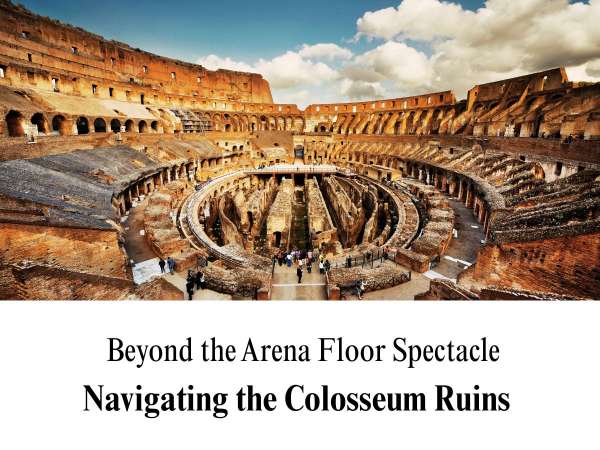
To understand the sheer engineering genius of the empire, your journey should begin at the very bottom. The exposed labyrinth of walls beneath the arena floor, known as the Hypogeum, functioned as a massive, subterranean staging area. This dark, underground grid housed the complex machinery, wild animals, and gladiators waiting for their fateful cue.
Walking along the designated upper walkways gives you a clear view into this fascinating underbelly. The Romans constructed a sophisticated system of manual elevators and trapdoors to thrust spectacles into the sunlight above. Standing over these exposed chambers evokes a chilling sense of drama. It reminds us that the grandeur of the upper seating tiers relied entirely on the hidden, brutal machinery operating in the dark.
The Gladiator’s Perspective: Walking the Reconstructed Floor
Stepping onto the partially reconstructed wooden arena floor offers the ultimate highlight of the itinerary. This exclusive viewpoint places you exactly where the dramatic spectacles unfolded. Looking upward from this central vantage point provides a dizzying panoramic view of the entire stadium. You can easily visualize the strict social hierarchy of the empire, with the emperor’s private box commanding the prime view at trackside.
From this unique position, the stark reality of the games comes alive. The fighters who stood on these sands were not merely participants; they were symbols of Roman dominance over conquered lands. As you gaze across the vast oval, the architecture reveals its true purpose. The design ensured that every single spectator enjoyed an unobstructed view of the violent theater below, making the arena the ultimate tool of public entertainment and political control.
Ascending the Tiers: Panoramic Views and Imperial Design
After exploring the floor, ascend the steep stone staircases toward the upper spectator levels. Climbing these ancient steps allows you to experience the stadium exactly as ordinary Roman citizens did centuries ago. The higher you climb, the more the magnificent engineering layout reveals its brilliant efficiency. The Romans designed the entire complex so efficiently that the massive crowd could exit the building in a matter of minutes.
The upper concourses now serve as an excellent open-air museum. As you wander through the exhibits, you can marvel at recovered fragments of marble seating, ancient graffiti, and everyday artifacts left behind by the crowds. Furthermore, the outer arches on the upper levels offer spectacular, postcard-perfect views of the neighboring Arch of Constantine and the sweeping Roman Forum. It is the ideal spot to pause, capture stunning photographs, and absorb the incredible scale of the capital.
The Perfect Afternoon Loop: Crafting Your Post-Arena Route
A successful visit to the amphitheater sets up the perfect historical itinerary for the remainder of your day. Because your ticket typically includes combined admission to the adjacent archaeological parks, you can seamlessly transition into the heart of ancient civic life. Once you exit the main gates, take a brief moment to sit along the stone walls of the outer plaza to process the immense history you just witnessed.
From the exit plaza, follow the ancient cobblestone path directly toward the via Sacra. This route guides you effortlessly into the Roman Forum and up the green slopes of the Palatine Hill. Wandering through these monumental ruins allows you to trace the entire lifespan of the civilization, from its humble hut beginnings to its imperial peak. It forms a complete, unforgettable loop that transforms a simple holiday excursion into a profound journey through time.
Beyond the Core: Plan Your Roman Exploration
To seamlessly expand your itinerary beyond these central monuments, you should map out the spectacular destinations that form the perfect framework for a comprehensive regional tour.
You can delve directly into the breathtaking grandeur of ancient maritime architecture by mapping out a trip through our comprehensive guide on Ostia Antica: Rome’s Forgotten Harbor City, or discover the sweeping engineering marvels that once powered the capital by reviewing our feature on The Great Aqueducts of the Appian Way.
If you want a peaceful escape into lush gardens and ancient estates, don’t miss our day trip itinerary covering The Historic Palaces and Terraces of Palatine Hill.
Finally, you can trace the monumental evolution of imperial design and engineering by diving into our standalone architecture guides The Secrets of the Pantheon.
Join the Journey Behind the Pages
The weathered stones of the ancient capital continue to speak across the millennia, actively urging us to study their immense triumphs and failures before our own modern structures face a similar decline. If you want to explore the deep, unvarnished historical research that breathes life into these narrative worlds, let’s stay connected across the web. You can enjoy shorter, lighter essays, creative writing tips, and quick reflections on my regular updates by following me on MEDIUM.
Because this specific blog layout does not feature a public comment box, the absolute best way to share your personal thoughts, ask burning historical questions, or receive exclusive book updates directly to your inbox is to subscribe to my SUBSTACK.