
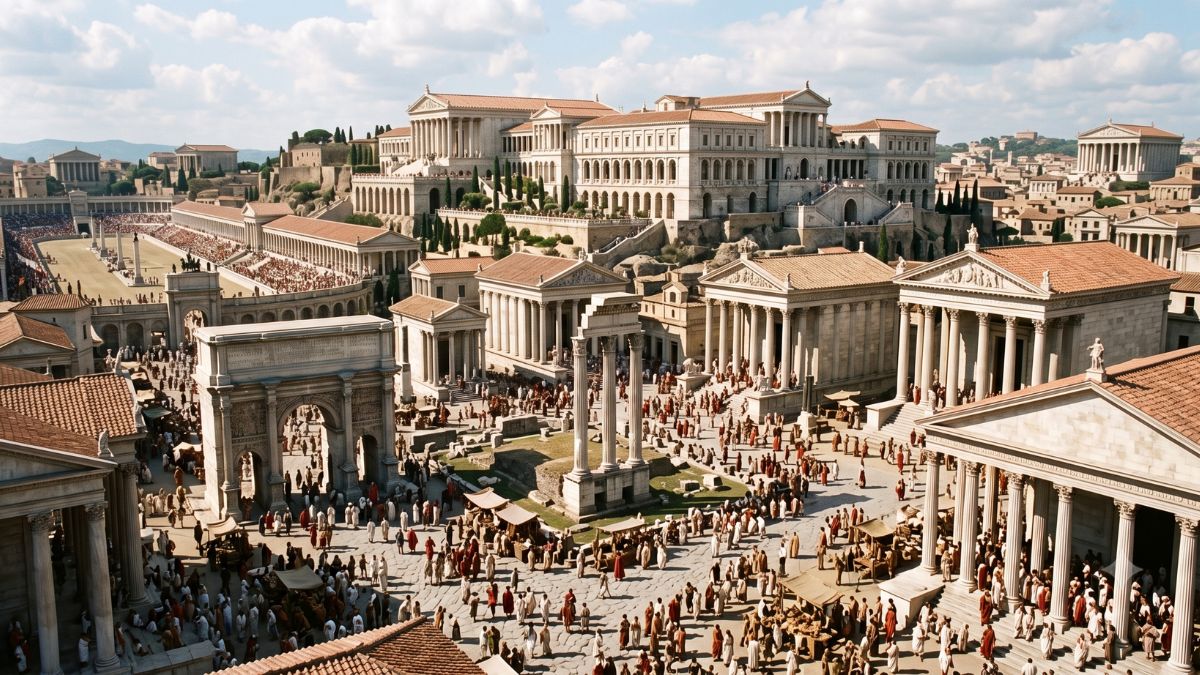
Uncover the hidden secrets of the Roman Forum and Palatine Hill with this expert travel guide. Discover the ultimate morning itinerary through ancient senate houses, sacred temples, and the sprawling palaces of the emperors. Maximize your Roman holiday with essential tips to navigate the historic birthplace of Western civilization.
Before you scale the imperial heights, discover how these grand ruins fit into a much larger, cyclical historical drama in our primary pillar post, The Roman Empire: The Rise, Fall, and Eternal Renaissance. Uncover the unique historical angles textbooks completely miss, from cinematic myths to the timeless spiritual prophecies that predicted the empire’s ultimate renewal.
Walking the Sacred Way: Tracing the Footsteps of Triumph
Stepping onto the ancient cobblestones of the Via Sacra immediately transports you into the beating heart of the old empire. The Roman Forum functioned as the ultimate epicenter of political, religious, and commercial life for centuries.
As you wander past the towering, weathered columns of shattered temples, you can easily visualize the bustling crowds of toga-clad citizens, intense senate debates, and grand triumphal processions. This spectacular open-air valley is not merely a static museum; it is a sprawling theater where the destiny of Western civilization unfolded.
Navigating this massive archaeological park successfully requires a smart, deliberate itinerary. Most travelers make the mistake of entering without a clear path, quickly becoming overwhelmed by the beautiful chaos of the ruins.
To maximize your experience, begin your exploration in the early morning at the main entrance near the Arch of Constantine. This strategic timing allows you to glide past the midday tourist crowds, ensuring a tranquil journey through the monumental arches and historic basilicas.
The Pillars of Power: Navigating the Curia and Temples
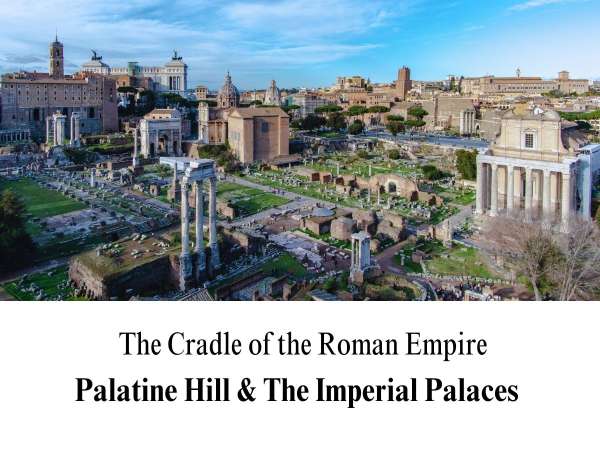
Your first essential stop should be the Curia Julia, the remarkably preserved brick senate house where Roman politicians made fateful decisions that altered global history. Standing before this austere building evokes a profound sense of gravity. Just outside its heavy bronze doors lies the Comitium, the vibrant public assembly area where ordinary citizens gathered to hear passionate political orators.
From the Senate House, weave your way toward the striking white marble pillars of the Temple of Saturn and the elegant, circular Temple of Vesta. The Romans constructed these sacred sites to protect both their state treasury and the eternal holy fire of the city.
Exploring these structures reveals the deeply intertwined nature of Roman politics and religion. Every monument in this valley served a dual purpose, acting simultaneously as a place of divine worship and a blatant display of imperial dominance.
Ascending the Imperial Peak: The Foundations of the Palatine Hill
After exploring the valley floor, follow the gently sloping paths upward toward the verdant overlooks of the Palatine Hill. According to foundational Roman mythology, this historic hillside is the exact location where the she-wolf nurtured Romulus and Remus.
It represents the literal birthplace of the civilization. As you ascend, the rustic atmosphere shifts dramatically from public civic spaces to the exclusive, sprawling domains of the ruling class.
The hill quickly evolved into the ultimate luxury neighborhood for ancient Rome’s wealthiest aristocrats and emperors. Walking through the monumental brick arches of the massive Flavian Palace reveals the staggering scale of imperial luxury.
This elite plateau is exactly where the aristocratic background of Felix took shape in my novel, God’s Viceroys, before his military deployment to the northern frontiers. Wandering these high terraces allows you to experience the physical separation between the rulers and the ruled.
The Emperor’s View: Panoramic Terraces and Hidden Gardens
Conclude your historic itinerary by exploring the spectacular Farnese Gardens, which sixteenth-century nobles beautifully terraced directly over the ancient imperial ruins. This lush oasis offers a welcome, shaded respite from the Mediterranean sun. As you stroll along the manicured pathways, you will discover the magnificent panoramic viewing platforms hanging directly over the edge of the cliff.
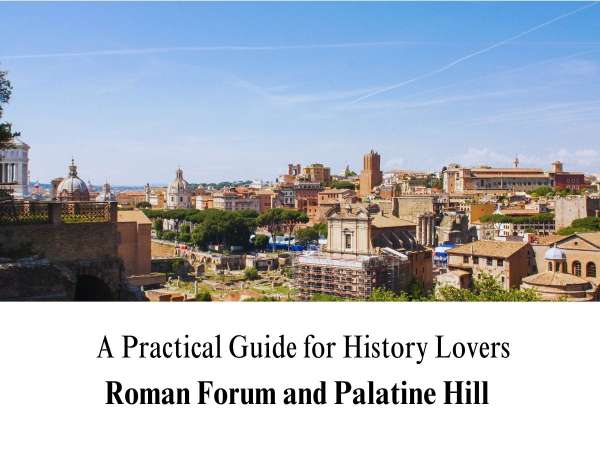
These high terraces offer the absolute best, postcard-perfect views of the entire Roman Forum layout below. From this birds-eye vantage point, the chaotic ruins suddenly make perfect sense, revealing the brilliant urban planning of the ancient architects. It is the ideal location to capture stunning photographs, rest your feet, and quietly reflect on the immense rise and fall of the grand empire.
Beyond the Core: Plan Your Roman Exploration
To seamlessly expand your itinerary beyond these central monuments, you should map out the spectacular destinations that form the perfect framework for a comprehensive regional tour.
You can delve directly into the breathtaking grandeur of ancient maritime architecture by mapping out a trip through our comprehensive guide on Ostia Antica: Rome’s Forgotten Harbor City, or discover the sweeping engineering marvels that once powered the capital by reviewing our feature on The Great Aqueducts of the Appian Way.
Finally, you can trace the monumental evolution of imperial design and engineering by diving into our standalone architecture guides for Navigating the Colosseum and The Secrets of the Pantheon.
Join the Journey Behind the Pages
The weathered stones of the ancient capital continue to speak across the millennia, actively urging us to study their immense triumphs and failures before our own modern structures face a similar decline.
If you want to explore the deep, unvarnished historical research that breathes life into these narrative worlds, let’s stay connected across the web. You can enjoy shorter, lighter essays, creative writing tips, and quick reflections on my regular updates by following me on MEDIUM.
Because this specific blog layout does not feature a public comment box, the absolute best way to share your personal thoughts, ask burning historical questions, or receive exclusive book updates directly to your inbox is to subscribe to my SUBSTACK.