
Discover the engineering secrets of the Pantheon with this ultimate travel guide. Explore the historic architecture of the world’s largest unreinforced concrete dome, track the sun through the magnificent oculus, and tour the tombs of Renaissance masters. Plan your early morning itinerary to experience this ancient Roman miracle smoothly.
Before you marvel at this architectural wonder, uncover how its mathematical perfection fits into a much larger, cyclical history in our main pillar post, The Roman Empire: The Rise, Fall, and Eternal Renaissance. Explore the deep, unexpected connections textbooks completely miss—from cinematic blockbusters to the profound spiritual prophecies that predicted the empire’s ultimate survival.
Approaching the Temple: Confronting the Monolithic Portico
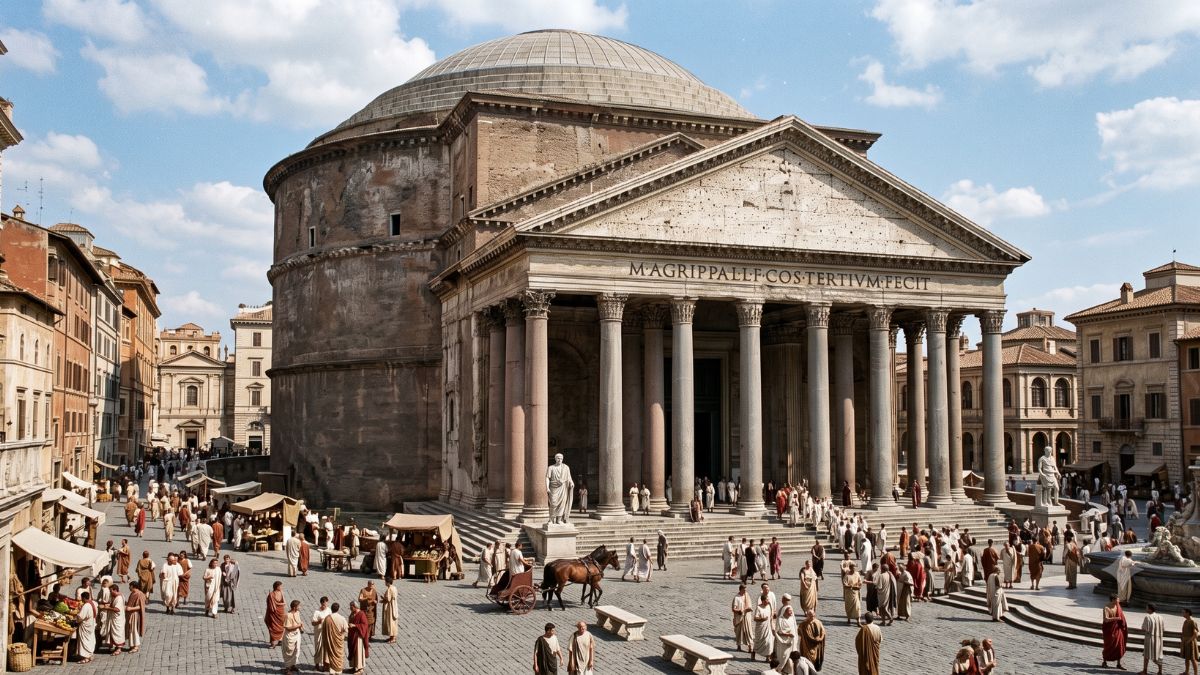
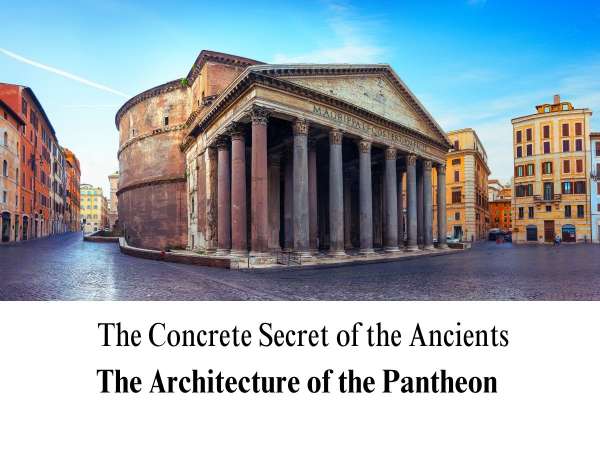
Emerging from the narrow, winding cobblestone alleys of Rome into the bustling Piazza della Rotonda brings you face-to-face with a true marvel of the ancient world. The Pantheon stands as the most remarkably preserved monument from the height of the Roman Empire.
While other ancient structures collapsed into ruins over the millennia, this spectacular temple survived entirely intact. To fully appreciate its immense scale, you must pause in the square to admire the massive gray granite columns guarding the entrance.
Navigating your visit smoothly requires a quick bit of modern planning. Because this architectural icon sits right in the vibrant heart of the historic center, the surrounding square can fill rapidly with tourists by midday.
Savvy travelers plan their itinerary around an early morning arrival, slipping inside just as the heavy bronze doors swing open. This strategic timing allows you to experience the vast, solemn interior before the afternoon crowds disrupt the contemplative atmosphere.
The Engineering Miracle: Unlocking the Unreinforced Dome
Stepping through the threshold immediately forces your gaze upward into a breathtaking expanse of space. The core of the structure features a massive, circular rotunda topped by a mind-boggling concrete dome. For nearly two thousand years, this spectacular vault has held the undisputed title of the largest unreinforced concrete dome in human history. Emperor Hadrian engineered this architectural masterpiece to symbolize the infinite, spherical nature of the cosmos.
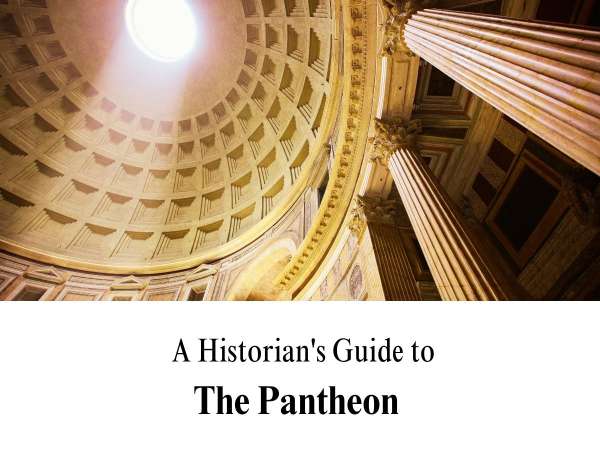
The Romans achieved this incredible engineering feat through brilliant structural innovation. As the dome ascended, builders mixed progressively lighter volcanic stones into the concrete paste to reduce the overall weight. Furthermore, the deeply recessed squares lining the interior ceiling look beautiful while serving a critical structural purpose by removing tons of unnecessary weight from the vault. Standing beneath this soaring ceiling reveals the true heights of ancient scientific genius.
The Eye of Heaven: Tracking the Movement of the Oculus
The absolute crown jewel of the entire structure is the Oculus, a completely open, nine-meter-wide circular aperture at the exact center of the dome. This striking opening serves as the sole source of natural illumination for the entire temple. As the sun moves effortlessly across the sky, a magnificent, sharp beam of light glides through the interior like a cosmic searchlight. It creates a dynamic, living artwork that shifts beautifully with every passing hour.
Modern visitors often wonder what happens when a sudden Mediterranean rainstorm rolls across the capital. The ingenious Roman engineers anticipated this scenario perfectly. The floor beneath your feet slopes gently outward from the center, leading toward hidden, microscopic drainage holes carved into the ancient marble tiles.
Watching the elements interact directly with the ancient architecture creates a spellbinding travel experience that bridges human design with natural forces.
The Imperial Mausoleum: Honoring Kings and Renaissance Masters
After marveling at the soaring ceiling, shape your walking itinerary around the circular perimeter of the temple floor. The Pantheon transformed from a pagan temple into a Christian Basilica during the seventh century, a pivotal shift that ultimately saved the building from medieval plunder. Today, the majestic marble alcoves serve as the final resting place for some of Italy’s most celebrated historical figures.
Wandering along the chapels brings you to the grand tomb of King Vittorio Emanuele II, the father of modern unified Italy. Nearby, art lovers can pay their quiet respects at the simple, elegant tomb of Raphael, the legendary master painter of the High Renaissance. Examining these monuments allows you to appreciate how the building evolved across the centuries. It shifted from an ancient temple of all gods into a national sanctuary honoring the supreme peaks of Italian creativity and leadership.
Connecting the Core: Crafting the Ultimate Central Rome Loop
Concluding your visit to the rotunda positions you perfectly to explore the remainder of the city’s historic core. Because the monument sits in a highly centralized location, you can easily connect your visit to several neighboring masterpieces without needing public transport. Once you exit the portico, take a moment to admire the central fountain in the piazza before charting your afternoon walk.
From the steps of the monument, a short five-minute stroll westward guides you straight into the sprawling, baroque expanse of Piazza Navona. Alternatively, navigating a few blocks eastward leads you directly to the spectacular waters of the Trevi Fountain. This effortless walking loop allows you to pack your day with iconic sights while using the ancient temple as your central anchor point. It forms a highly efficient, memorable travel route through the very best of Rome.
Beyond the Core: Plan Your Roman Exploration
To seamlessly expand your itinerary beyond these central monuments, you should map out the spectacular destinations that form the perfect framework for a comprehensive regional tour.
You can delve directly into the breathtaking grandeur of ancient maritime architecture by mapping out a trip through our comprehensive guide on Ostia Antica: Rome’s Forgotten Harbor City or discover the sweeping engineering marvels that once powered the capital by reviewing our feature on The Great Aqueducts of the Appian Way.
If you want a peaceful escape into lush gardens and ancient estates, don’t miss our day trip itinerary covering The Historic Palaces and Terraces of Palatine Hill. In fact, these tranquil, scenic heights are exactly where I visualized the aristocratic origins of Felix before his fateful deployment in my novel, God’s Viceroys. Come wander the very paths that fueled the imagination behind the pages!
Finally, you can trace the monumental evolution of imperial design and engineering by diving into our standalone architecture guides for Navigating the Colosseum.
Join the Journey Behind the Pages
The weathered stones of the ancient capital continue to speak across the millennia, actively urging us to study their immense triumphs and failures before our own modern structures face a similar decline. If you want to explore the deep, unvarnished historical research that breathes life into these narrative worlds, let’s stay connected across the web.
You can enjoy shorter, lighter essays, creative writing tips, and quick reflections on my regular updates by following me on MEDIUM.
Because this specific blog layout does not feature a public comment box, the absolute best way to share your personal thoughts, ask burning historical questions, or receive exclusive book updates directly to your inbox is to subscribe to my SUBSTACK.