
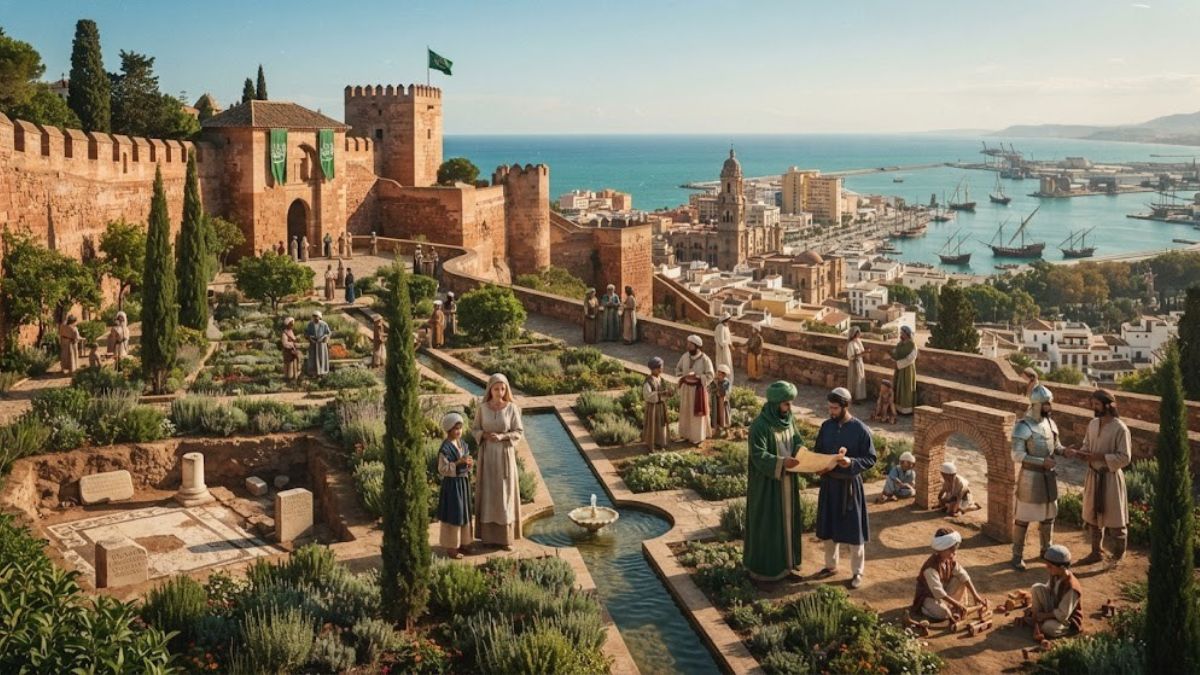
Uncover Málaga’s ultimate coastal stronghold! From a 1st-century Roman theatre to lush Moorish palace gardens, the Alcazaba bridges ancient empires in a single view. Walk historic double ramparts and enjoy sweeping Mediterranean vistas with our essential guide to Andalusia’s most impressive hilltop fortress.
The grand monuments of Al-Andalus shaped medieval Spain. Each historic city holds a piece of this fascinating era. Discover how Rome’s collapse paved the way for Moorish rule. Read the full story in From the Ashes of Rome: Spain’s Al-Andalus History.
Exploring Spain’s historic fortresses, lost cities, and ancient landscapes reveals a fascinating legacy. From iconic monuments like Córdoba’s grand Mezquita and Granada’s Albaicín lookouts to Medina Azahara’s Caliphate ruins, each destination tells a story. Plan your next adventure with our historical guides to Seville’s Royal Alcázar, Ronda’s dramatic bridges, Catalonia’s coastal Tamarit Castle, day trips to Gibraltar, and Island routes through Gran Canaria and Tenerife’s Pyramids of Güímar.
Discover the Ancient Roman Ruins, Moorish Ramparts, and Royal Gardens of Mount Gibralfaro
Málaga’s Alcazaba stands as one of Spain’s most formidable coastal strongholds. Perched along the slopes of Mount Gibralfaro in Andalusia, this ancient complex bridges two distinct civilization eras in a single view.
Today, visitors marvel at a 1st-century Roman theatre resting directly at the foot of an Islamic citadel. Together, these paired structures tell a continuous story of conquest, ruin, and medieval rebirth.
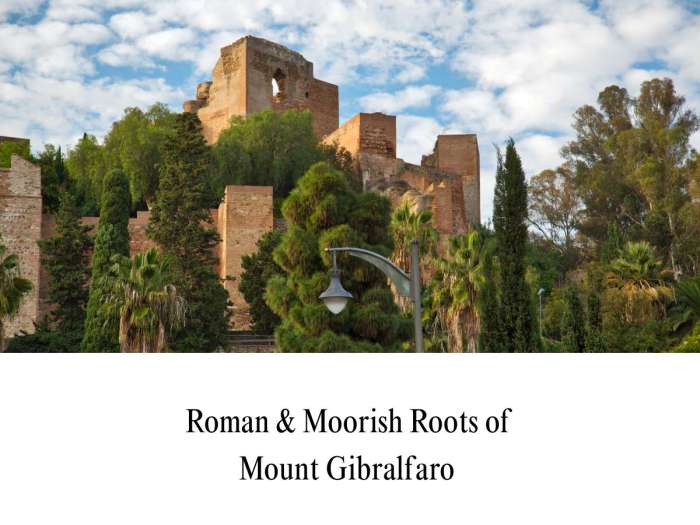
The Roman Foundations of the Citadel
Long before Islamic rulers fortified the hilltop, Phoenician traders used this high ridge for coastal defense. Centuries later, the Roman Empire established a thriving Mediterranean port city directly below the slopes.
During the 11th century, Badis ibn Habus of the Hammudid dynasty constructed the citadel’s inner palace walls. However, Moorish builders did not craft these fortifications from scratch. Instead, Islamic engineers salvaged marble columns, carved capitals, and stone blocks from the ruined Roman Theatre below. Consequently, visitors today can still spot Roman stonework repurposed inside the Moorish horseshoe arches.
Key Timeline Highlights
-
1st Century BC: Romans construct the theatre at the foot of Mount Gibralfaro.
-
1057–1063 AD: Badis ibn Habus expands the Alcazaba into a grand palace fortress.
-
1487 AD: Catholic Monarchs capture the stronghold after a grueling siege.
Double Ramparts and Secret Defenses
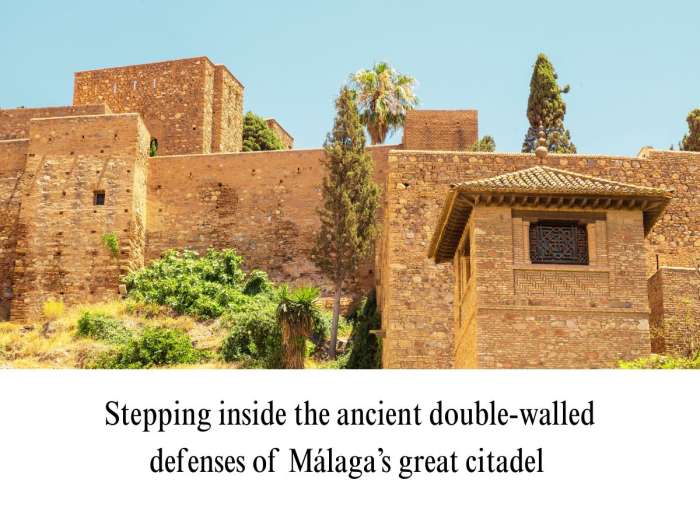
Military architects designed the Alcazaba to survive prolonged sieges. Therefore, they built a double line of fortified walls around the inner royal chambers. To reach the citadel core, invading armies had to force their way through multiple outer gates featuring sharp right-angle turns.
Meanwhile, archers defended these narrow passages from elevated towers above, easily trapping attackers. In contrast, lush courtyard gardens and tranquil fountains lay hidden deep within the fortress interior. These cooling water channels provided Moorish rulers with a peaceful, air-cooled sanctuary during hot summer months.
Why Travelers Flock to Málaga’s Alcazaba
Travelers love the Alcazaba because it delivers three memorable experiences in a single stop:
-
Unrivaled Coastal Views: The upper ramparts offer sweeping vistas over Málaga’s historic center, busy harbor, and coastline.
-
Striking Historical Contrast: Visitors transition from Roman ruins to Islamic palace gardens in just a few steps.
-
Immersive Moorish Design: Delicate arches, carved plasterwork, and courtyard pools evoke the legendary height of Al-Andalus.
Unlike larger sites like Granada’s Alhambra, this fortress feels intimate, uncrowded, and easy to navigate. As a result, you can comfortably explore centuries of history in just a few hours.
Planning Your Historical Visit
Exploring the Alcazaba is simple and stress-free. The entrance sits right in Málaga’s walkable historic center, just minutes from the cathedral and waterfront.
-
Pro Traveler Tip: To skip line delays during peak hours, reserve your entry tickets ahead through Klook or book a self-guided historical audio tour via WeGoTrip to uncover hidden details of the fortress. In addition, buy a combined entry ticket covering both the Alcazaba and the hilltop Gibralfaro Castle, and arrive early in the morning to beat the heat.
Step into ancient history, admire Mediterranean panoramas, and experience the enduring magic of coastal Andalusia!
Join the Historical Journey
Want more historical insights, character sketches, and reflections on the creative writing journey? You can easily follow my regular updates on Medium.
The silent stones of the ancient world continue to speak across the millennia. They constantly urge us to study their structural triumphs and failures before our own modern empires face a similar decline.
Because this pillar post does not feature a comment box, the absolute best way to share your direct thoughts is through my Substack. Please subscribe there today to ask questions, join the debate, and connect with me directly!