
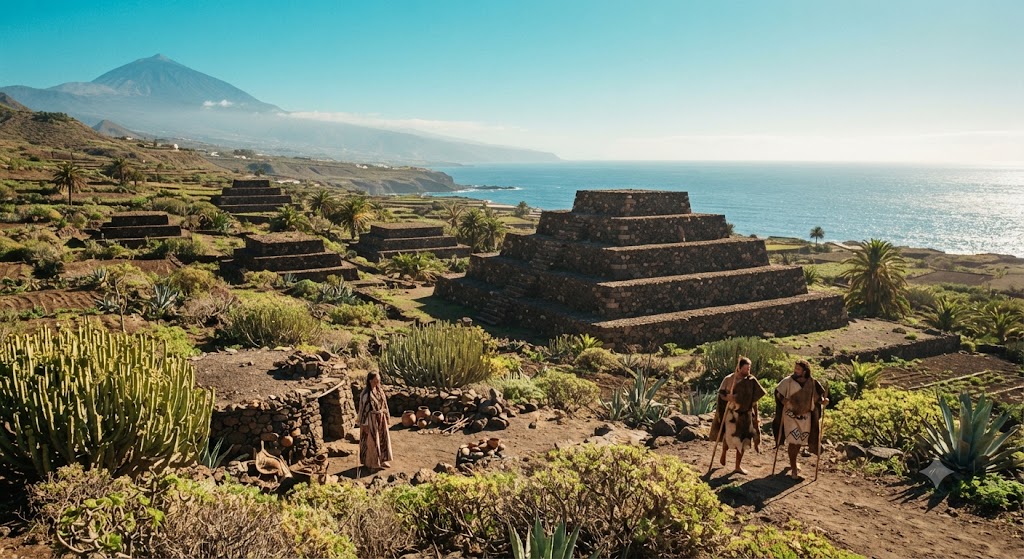
Uncover the Atlantic’s most compelling archaeological mystery! Built from black lava stone and aligned with the solstices, Tenerife’s mysterious step pyramids challenge conventional maritime history. Explore indigenous Guanche heritage, Thor Heyerdahl’s transoceanic theories, and exotic botanical gardens with our ultimate visitor guide to the Pyramids of Güímar.
The grand monuments of Al-Andalus shaped medieval Spain. Each historic city holds a piece of this fascinating era. Discover how Rome’s collapse paved the way for Moorish rule. Read the full story in From the Ashes of Rome: Spain’s Al-Andalus History.
Exploring Spain’s historic fortresses, lost cities, and ancient landscapes reveals a fascinating legacy. From iconic monuments like Córdoba’s grand Mezquita and Granada’s Albaicín lookouts to Medina Azahara’s Caliphate ruins and Málaga’s Alcazaba fortress, each destination tells a story. Plan your next adventure with our historical guides to Seville’s Royal Alcázar, Ronda’s dramatic bridges, Catalonia’s coastal Tamarit Castle, day trips to Gibraltar, and Island routes through Gran Canaria.
Pyramids in the Atlantic: Uncovering Tenerife’s Pre-Colonial Mysteries
Tenerife enchants travelers with its dramatic volcanic landscapes, turquoise Atlantic waters, and year-round sunshine. However, beneath its popular resort exterior lies a profound, enigmatic past that predates European conquest. Located on the east coast of the island in the quiet town of Güímar, six mysterious step pyramids rise from the fertile volcanic soil.
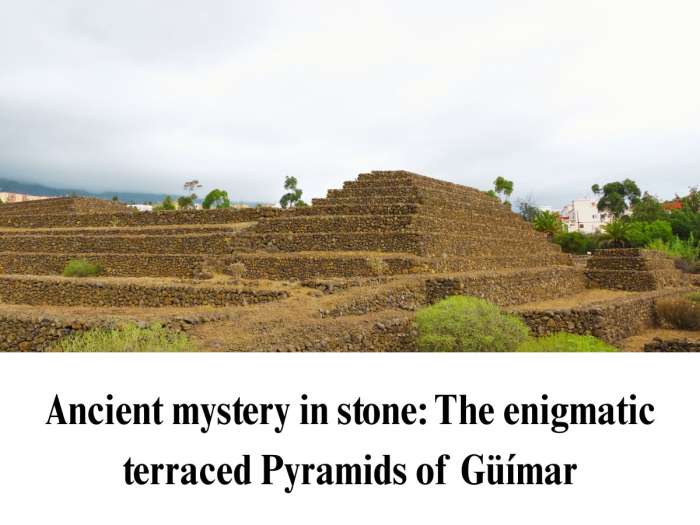
These rectangular terraced structures, built entirely from black lava stone without mortar, challenge standard assumptions about Atlantic maritime history. If you want to uncover the fascinating indigenous roots of the Canary Islands, exploring this complex is essential. Let’s dive into the compelling historical narrative of the Pyramids of Güímar and map out your ultimate archaeological visit.
The Island Before Empire: A Brief History of the Guanches
Long before Spanish conquistadors claimed the archipelago in the late 15th century, the Guanches inhabited these isolated islands. Scholars believe these tall, fair-skinned indigenous people migrated from North Africa around the first millennium BC. They lived primarily in natural lava caves, preserved mummies using secret botanical techniques, and developed a complex tribal society.
The origin of the step pyramids remains one of the Atlantic’s most intriguing historical puzzles. For decades, local farmers dismissed the structures as simple piles of rocks cleared from agricultural fields. However, famed Norwegian explorer Thor Heyerdahl recognized their sophisticated astronomical alignment during his visit in the 1990s. The terraces align precisely with the summer and winter solstices, demonstrating an advanced understanding of solar cycles. Whether built as ancient ceremonial platforms, sacred solar temples, or sophisticated agricultural sites, these stone structures stand as silent monuments to Tenerife’s forgotten pre-colonial heritage.
Unmissable Wonders: What to See at the Güímar Ethnographic Park
The Step Pyramids and Solstice Orientations
Your journey begins by walking along the stone pathways that wind through the main pyramid plaza. As you approach the six surviving structures, you will immediately notice the meticulous craftsmanship of the lava rock walls. Corner stones feature flat, smoothed surfaces designed specifically to stabilize the rising terraces. Walk to the main viewing platform during the summer solstice to witness a spectacular solar phenomenon: the sun sets twice behind two distinct mountain peaks, aligning perfectly with the primary pyramid axis.
The Secret Voyages: The Thor Heyerdahl Museum
Next, step inside the park’s main exhibition hall to explore the Thor Heyerdahl Museum. The Norwegian adventurer believed ancient civilizations possessed the capability to cross vast oceans long before Christopher Columbus. The museum displays fascinating scale models of his famous reed vessels, including the RA II, alongside compelling artifacts linking Canary Island culture to ancient Mediterranean and trans-Atlantic civilizations.
Nature’s Alchemy: The Botanical and Poison Garden
Conclude your archaeological exploration by strolling through the park’s expansive outdoor botanical gardens. The site features a specialized Poison Garden housing over 70 toxic plant species from around the world. These lethal flora, carefully cultivated behind protective barriers, highlight how indigenous shamans used dangerous botanical compounds for both medicinal healing and ritual practices.
Optimize Your Tenerife Travel Itinerary
To get the most out of your pre-colonial historical excursion, planning your route and timing is essential. Güímar sits comfortably halfway between the island’s northern cultural hubs and southern coastal resorts.
• Park Entry & Guided Passes: Lines at the entrance can grow long during peak mid-day tour bus hours. Reserve your fast-track admission tickets early via Klook to guarantee immediate access.
• Self-Guided Audio Itineraries: To discover the deep Guanche legends and secret solstice alignments at your own pace, check available audio walking tours on WeGoTrip.
Tenerife preserves its ancient indigenous heritage with incredible mystery and natural beauty. By visiting the Pyramids of Güímar, you will uncover a captivating chapter of Atlantic history written in volcanic stone.
Join the Historical Journey
Want more historical insights, character sketches, and reflections on the creative writing journey? You can easily follow my regular updates on Medium.
The silent stones of the ancient world continue to speak across the millennia. They constantly urge us to study their structural triumphs and failures before our own modern empires face a similar decline.
Because this pillar post does not feature a comment box, the absolute best way to share your direct thoughts is through my Substack. Please subscribe there today to ask questions, join the debate, and connect with me directly!