
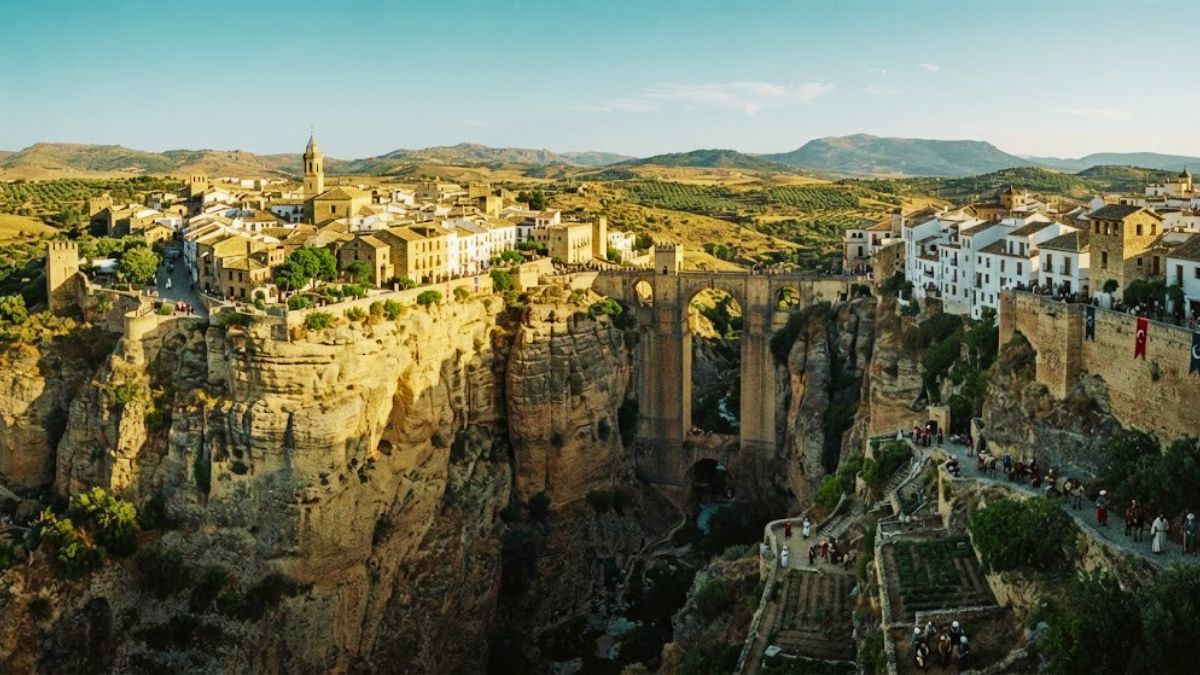
Experience Ronda’s sheer vertical drama! Perched atop a massive limestone escarpment and split by the terrifying depths of El Tajo Gorge, this ancient mountain stronghold offers thrilling cliffside walking routes. Descend subterranean medieval water mines and cross soaring stone bridges with our historian’s ultimate day trip guide to Ronda.
The grand monuments of Al-Andalus shaped medieval Spain. Each historic city holds a piece of this fascinating era. Discover how Rome’s collapse paved the way for Moorish rule. Read the full story in From the Ashes of Rome: Spain’s Al-Andalus History.
Exploring Spain’s historic fortresses, lost cities, and ancient landscapes reveals a fascinating legacy. From iconic monuments like Córdoba’s grand Mezquita and Granada’s Albaicín lookouts to Medina Azahara’s Caliphate ruins and Málaga’s Alcazaba fortress, each destination tells a story. Plan your next adventure with our historical guides to Seville’s Royal Alcázar, Catalonia’s coastal Tamarit Castle, day trips to Gibraltar, and Island routes through Gran Canaria and Tenerife’s Pyramids of Güímar.
Walking the High Cliffs: A Historian’s Day Trip Itinerary to Ronda
Ronda captures the imagination with an almost impossible, sheer vertical drama. Perched atop a massive limestone escarpment in the heart of the Serranía de Ronda, this ancient Andalusian mountain stronghold commands sweeping vistas across rolling olive groves and jagged peaks. The town itself sits dramatically bisected by the El Tajo Gorge, a 120-meter canyon carved over millennia by the Guadalevín River. If you want to experience dramatic mountain landscapes interwoven with centuries of frontier history, visiting Ronda is essential. Let’s explore the rich historical narrative of this clifftop citadel and map out your ultimate walking itinerary.

The Frontier Citadel: A Brief History of Ronda
Long before modern travelers marveled at its steep bridges, ancient Celtic and Roman legions recognized Ronda’s strategic value. Romans established the nearby settlement of Acinipo, fortifying the surrounding plateau to secure vital trade routes across southern Hispania.
However, the town’s most intense historical chapter unfolded during the centuries of Islamic rule. Renamed Izn-Rand Onda, the mountain city became an impenetrable provincial capital protected by thick defensive walls and steep cliff faces. During the late Reconquista, Ronda functioned as a crucial western frontier outpost for the Kingdom of Granada. Christian forces under King Ferdinand finally captured the city in 1485 after a fierce siege, utilizing heavy artillery to breach the stone gates. The town subsequently expanded across the gorge, giving birth to the iconic urban layout that visitors explore today.
Unmissable Wonders: What to See and Do in Ronda
The Engineering Marvel: Puente Nuevo and El Tajo Gorge
Your walking tour naturally begins at the magnificent Puente Nuevo (New Bridge), which spans the terrifying depths of the El Tajo canyon. Completed in 1793 after thirty years of perilous construction, this massive stone bridge seamlessly connects the old Moorish quarter with the newer town district. Walk along the central stone balcony to gaze down into the rushing river far below. For an even more thrilling perspective, follow the steep hiking trail down into the canyon base to capture photos of the soaring arches rising above the cliffs.
The Sacred Descent: Casa del Rey Moro and the Water Mine
Next, step inside the Casa del Rey Moro to discover one of Ronda’s most extraordinary medieval secrets. Beneath the villa’s terraced gardens lies an ancient 14th-century Islamic water mine carved directly into the solid rock face. Descend more than 200 steep, hand-cut stone steps into the cool darkness of the canyon wall. This subterranean passage allowed besieged townspeople to haul fresh river water safely up to the fortress during medieval attacks. Reaching the hidden river platform at the bottom provides an eerie, unforgettable historical experience.
The Aristocratic Quarter: Mondragón Palace and the Moorish Baths
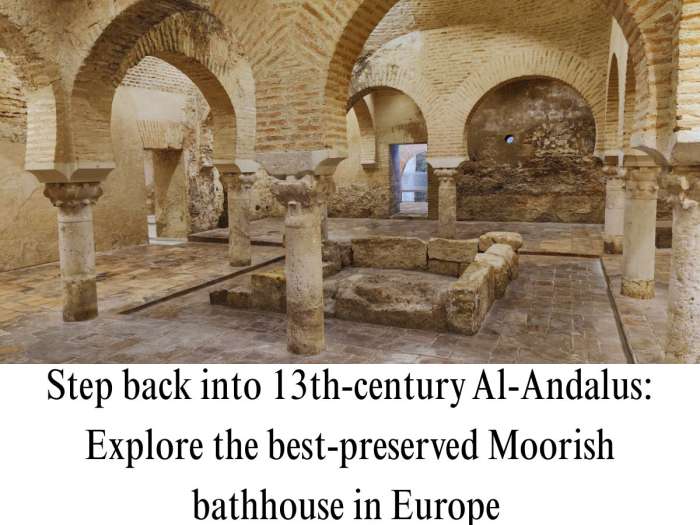
Wander deeper into the quiet, cobblestone streets of the La Ciudad historic district to explore the Mondragón Palace. This former residence of Moorish governors features peaceful courtyards, delicate tilework, and cliffside water gardens overlooking the valley. Afterward, walk down toward the base of the old walls to inspect the Baños Árabes (Arab Baths). Built during the 13th century, these remarkably preserved bathhouses feature star-shaped skylights that filter soft sunlight into the vaulted brick chambers.
Optimize Your Ronda Travel Itinerary
To get the most out of your day trip through the mountain passes, proper transit and timing are essential. Mountain roads require extra driving care during morning hours.
• Transport & Guided Day Passes: Direct bus and train connections from Seville or Malaga fill quickly during peak seasons. Reserve your transport and fast-track entry passes early on Klook to avoid long queues.
• Self-Guided Audio Itineraries: To uncover secret bandit legends and Moorish military tactics at your own pace, explore available audio walking tours on WeGoTrip.
Ronda preserves its dramatic mountain heritage across a breathtaking, vertical landscape. By walking these high cliffs, you will step directly into one of Spain’s most spectacular historic strongholds.
Join the Historical Journey
Want more historical insights, character sketches, and reflections on the creative writing journey? You can easily follow my regular updates on Medium.
The silent stones of the ancient world continue to speak across the millennia. They constantly urge us to study their structural triumphs and failures before our own modern empires face a similar decline.
Because this pillar post does not feature a comment box, the absolute best way to share your direct thoughts is through my Substack. Please subscribe there today to ask questions, join the debate, and connect with me directly!